Digest 7/26/2021
Refusing to read The Bad Article About Crop Tops, freelancing with Malala, new hires fight club, and more.
OPTING OUT OF OUTRAGE
I always see the tweets about The Bad New York Times Article before I ever see the article itself. Cropped screenshots, vague subtweets, and response pieces by competing outlets clutter my Twitter timeline throughout the day until I have no choice but to know that someone at the New York Times is mad women wear crop tops.
When the Kardashians were emerging as a regular topic of pop culture conversation, my first media job was at a women’s pop culture website as a staff writer. Any Kardashian article shared on the site’s Facebook page would be overrun with comments and outrage that a supposedly feminist website would covering the Kardashians. Facebook, not caring if the people engaging with posts were mad, registered the flurry of activity as a success and would reward us by pushing the post into more people’s feeds. After a few weeks of this happening, I wanted to shake the commenters by their shoulders and scream: “Every time you engage with the article, it just means we write about the Kardashians more!”
Some years later at a different women’s pop culture website, after Facebook pivoted to video and SEO became king, we were still routinely asked by our editors if any of us had particularly controversial takes on new movies, TV shows, or cultural moments we’d be open to writing about. Media trends come and go, but outrage clicks are eternal.
I assume everyone in the media is familiar with this, which is why I registered my shock to a friend on Friday that people who know how the sausage is made were playing right into the New York Times’s hands by sharing and talking about the Bad Article. She pointed out that the Twitter users and outlets who wrote responses were just doing their own version of the Times grift: jumping on a trending topic that’s going to get outrage clicks or faves because they, too, need traffic to stay afloat or get noticed. Media, it sometimes feels, is written for other people in the media to then create media about. If I were to tell my retired parents that the New York Times turned up their noses at women wearing bras as shirts, they’d say,“can’t talk, trying to figure out what to do with the vultures who have taken up residence in our barn.”
(Suggestions welcome, re: squatting vultures, btw).
I have absolutely written headlines designed to get rage-clicks. I know it’s not any individual person’s sinister motive or fault. But perception of real life is tinted by outlets catering to readers’ worst possible impulses to get them to click: wins for climate activists are often framed in headlines as losses for the companies ruining the planet. If the primary motivator for an outlet’s coverage is to upset their readers enough to click, then they should maybe reflect on if what they’re doing is actually journalism.
Outrage clicks are pretty much the only guaranteed successful traffic method still available for ad-supported media, and social media companies have instilled a Pavlovian hunger for likes and engagement through any means necessary. The only way to escape this cycle is to just…stop. Don’t read the bad piece. Don’t tweet about it. Don’t engage. This is easier said than done, but if outlets stop being rewarded for simply repackaging the “leggings aren’t pants” debate for 2021, then they’ll stop writing those takes and your Twitter feed will be marginally more peaceful. For one day, at least.
WELCOMING MALALA YOUSAFZAI TO THE WORLD OF DIGITAL MEDIA
If any 24-year-old approached me asking for the best way to get started in digital media, I doubt my first suggestion would be “via Facebook’s new Substack competitor, Bulletin.” However, the company announced a new slew of writers who joined the platform last week, including TV journalist Alina Cho, doctor Jeremy Faust, and, uh, *checks press release* “Gen Z feminist” Malala Yousafzai.
Yousafzai has published two pieces thus far — one, an introduction, and the second, an interview with athlete Maria Toorpakai Wazir. Her newsletter, Podium, will share “her perspective on big debates and small moments — from discussions on complex issues to personal stories, cultural commentary and interviews.” If you’ve already made a deal with Facebook, you likely don’t need Study Hall’s help, but we thought we’d give Yousafzai some tips and tricks to welcome her to the world of digital media all the same:
- First off, congrats on securing @Malala. I know people who would pay Twitter a lot of money for the same first-name-handle honor. But your Twitter otherwise is far too earnest. For instance, this tweet about donating $15,000 to children in Gaza? Try something a little more self deprecating: “So I did a thing” plus a link to your monumental announcement should do the trick.
- Take your offline friendships online in the most performative way possible. Right now, it seems like you keep your personal life off the grid, but if you want to inspire the jealousy and comparison that makes the media world go round, you have to start tagging your most influential friends in all of your posts. This tweet about Greta Thunberg is a good start.
- When in doubt, title your newsletter posts something like “On culture” or “On debate” or, if you want to kill two birds with one stone, “On wearing bras as shirts.”
Oh, and also, you’ll get paid for all of this after about six months and fourteen increasingly passive aggressive emails. Welcome to freelancing!
WHO WOULD WIN IN A FIGHT?: NEW MEL VS. NEW GAWKER
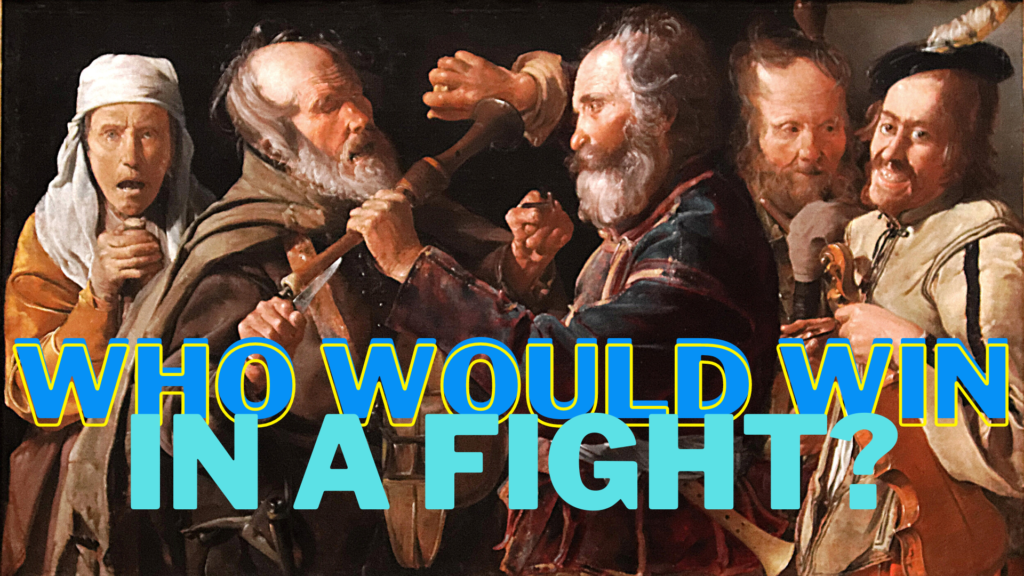
Image source: Wikimedia Commons.
The staff of New MEL should fight the staff of Second Gawker.
I can’t be the only one who feels strongly that this has to happen. Their resurrections and string of new-hire announcements on Twitter line up too closely for them to not all get into a mud pit together or at the very least play each other in dodgeball.
Winners wouldn’t get anything but the knowledge that they are the strongest of the nerds. Money raised from tickets and concessions could go towards funding the reboots of other beloved blogs of yore — The Hairpin, The Toast, XO Jane, etc.
It’s hard to predict who would win: Something tells me I wouldn’t want to be on the receiving end of a ball thrown by Miles Klee, but one withering stare from Leah Finnegan would probably knock me out in a different but equally bruising way.
And before anyone tries me: XO Jane would win any fight handily thanks to pure manic energy.
COMINGS AND GOINGS
— Brendan Vaughan is joining The Atlantic Ideas section as editor.
— Mat Honan is leaving BuzzFeed News to become MIT Technology Review’s next editor-in-chief.
— Zeeshan Aleem is joining MSNBC as an opinion columnist on politics and foreign policy.
— Angie J. Han is departing her role as deputy editor of entertainment at Mashable.
— Adrienne Green is joining New York Times Magazine as the deputy editor of special projects, leaving her role as features editor at New York Magazine.
— ESPN officially fumbled the ball and Maria Taylor is leaving to join NBC Sports.
— Stephanie Talmadge is departing GQ to join Bustle as the deputy editor of their wellness section, launching their newsletter.
— Chingy Nea has signed on to be a regular contributor to New MEL.
EVERYTHING ELSE
— A Tale Of Two SPACs: Bustle Digital Group is beefing up its portfolio ahead of its plan to go public later this year, acquiring Some Spider Studios Inc., the company behind websites like Scary Mommy. VICE, on the other hand, is reportedly struggling to raise financing for its own SPAC deal, with its valuation dropping from $5.7 billion to $2.5 billion to (possibly) barely $2 million.
— The ComScore figures of major publications continue to steadily decline post-Trump.
— Washington Post reporter Felicia Sonmez is suing the paper and former editor Marty Baron for unlawful discrimination following her public disclosure of sexual assault. Sonmez was barred from covering sexual misconduct stories like the allegations against Supreme Court Justice Brett Kavanaugh due to being vocal about her own assault; she says the emotional distress caused by the ban lasted well beyond its removal earlier this year. Specifically, the lawsuit alleges Sonmez suffered “economic loss, humiliation, embarrassment, mental and emotional distress, and the deprivation of her rights to equal employment opportunities.”
— Substack is funding the launch of Booksmart Studios, a new podcast network whose website is a Substack oh god it’s like holding a mirror up to a mirror.
Subscribe to Study Hall for Opportunity, knowledge, and community
$532.50 is the average payment via the Study Hall marketplace, where freelance opportunities from top publications are posted. Members also get access to a media digest newsletter, community networking spaces, paywalled content about the media industry from a worker's perspective, and a database of 1000 commissioning editor contacts at publications around the world. Click here to learn more.